Five Financial Best Practices for Year-End 2022
To say the least, there has been plenty of political, financial, and economic action this year — from rising interest rates to elevated inflation to ongoing market turmoil.
How will all the excitement translate into annual performance in our investment portfolios? The answer remains to be seen. But, while we wait to find out, here are five action items worth tending to before 2022 is a wrap.
- Revisit Your Cash Reserves
Where is your cash stashed these days? After years of offering essentially zero interest in money markets, savings accounts, and similar platforms, some banks are now offering higher interest rates to savers.
Shop around: If you have significant cash saved up, now may be a good time to compare rates on cash accounts. We can help if you need guidance exploring the options.
- Put Your Money to Work
If you’re sitting on more cash than you need in your emergency reserve, you may be able to put it to even better use under current conditions. Consider the following:
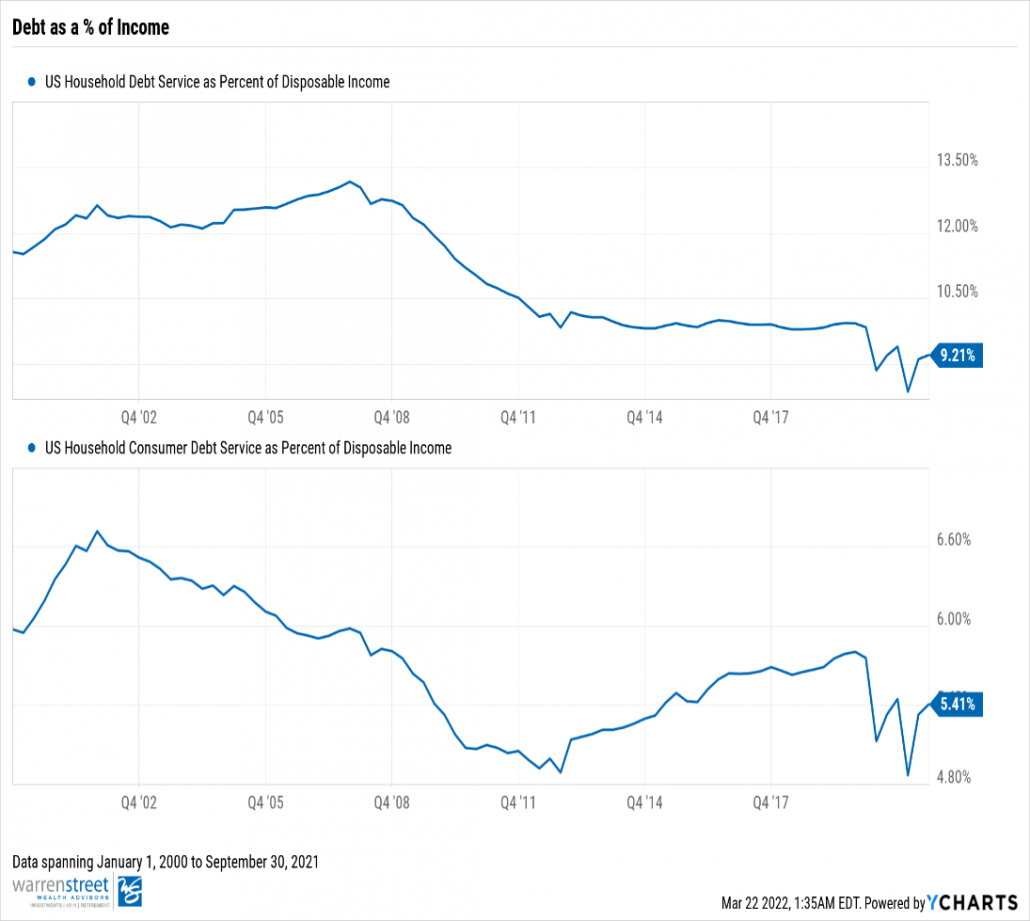
Lighten your debt load: Carrying high-interest debt is a threat to your financial well-being, especially in times of rising rates. Consider paying off credit card balances or other debts. Avoid accruing new debt during the holiday season.
Invest: Reach out to your lead advisor to determine what your opportunities are to put some cash to work in the markets.
- Make Some Smooth Tax-Planning Moves
Another way to save more money is to pay less in taxes. Here are a couple of year-end ideas:
It’s still harvest season: Market downturns often present opportunities to engage in tax-loss harvesting by selling taxable shares at a loss, and promptly reinvesting the proceeds in a similar (but not identical) fund. You can then use the losses to offset taxable gains, without significantly altering your investment mix. If you have a non-retirement brokerage account with us, we’ve already been doing this on your behalf.
Maximize tax opportunities: Make sure you are taking advantage of your 401(k) and other tax-deferred investment opportunities. With only a few paychecks left in 2022, you’ll want to make sure your contributions are optimized.
- Check Up on Your Healthcare Coverage
As year-end approaches, make sure you and your family have made the most of your healthcare coverage. Take a moment to examine all your benefits. For example, if you have a Health Savings Account (HSA), have you funded it for the year? If you have a Flexible Spending Account (FSA), have you spent any balance you cannot carry forward? If you’ve already met your annual deductible, are there additional covered expenses worth incurring before the meter resets in 2023? If you’re eligible for free annual wellness exams or other benefits, have you used them?
- Get Set for 2023
Why wait for 2023 to start anew? Year-end can be an ideal time to take stock of where you stand and consider what you’d like to achieve in the year ahead.
Audit your household interests: What has changed, and what hasn’t? Have you shifted careers or decided to retire? Added new hobbies or encountered personal setbacks? How might these and other significant life events alter your ideal investment allocations, cash-flow requirements, insurance coverage, or estate plan?
How Can We Help?
How else can we help you wrap 2022 and position you and your loved ones for the year ahead?
Whether it’s helping you manage your investment portfolio, optimizing your tax planning, considering your cash reserves, weighing insurance offerings, or assessing any other components that contribute to your financial well-being, we stand ready to assist — today, and through the years ahead.

Cary Facer
Partner Emeritus, Warren Street Wealth Advisors
Investment Advisor Representative, Warren Street Wealth Advisors, LLC., a Registered Investment Advisor
The information presented here represents opinions and is not meant as personal or actionable advice to any individual, corporation, or other entity. Any investments discussed carry unique risks and should be carefully considered and reviewed by you and your financial professional. Nothing in this document is a solicitation to buy or sell any securities, or an attempt to furnish personal investment advice. Warren Street Wealth Advisors may own securities referenced in this document. Due to the static nature of content, securities held may change over time and current trades may be contrary to outdated publications. Form ADV available upon request 714-876-6200.