• Who We Serve
    • Business Owners
    • Individuals & Families
    • Fortune 500 and Large Company Employees
    • New Media
    • Oil & Gas Industry
    • SoCal Edison
  • Services
    • Financial Planning & Retirement
    • Investment Management
    • Tax Planning & Preparation
    • Estate Planning
  • About Us
  • Resources
    • Blog
    • Events
      • Health & Wealth
    • Frequently Asked Questions
  • Partnerships
    • Next Street Tax
    • TownSquare Capital
  • Contact Us
  • Schedule
    • New Clients
    • Current Clients
  • Login
  • Menu Menu

Turmoil in China, Oil, and the US Markets

January 29, 2016/in Basic, Education, General, Investing/by Marcia Clark

Why is the turmoil in China and the drop in oil prices depressing the U.S. markets?

Marcia Clark, CFA, MBA, Senior Research Analyst & Wealth Advisor, Warren Street Wealth Advisors

January 25, 2016  10:43am Pacific time

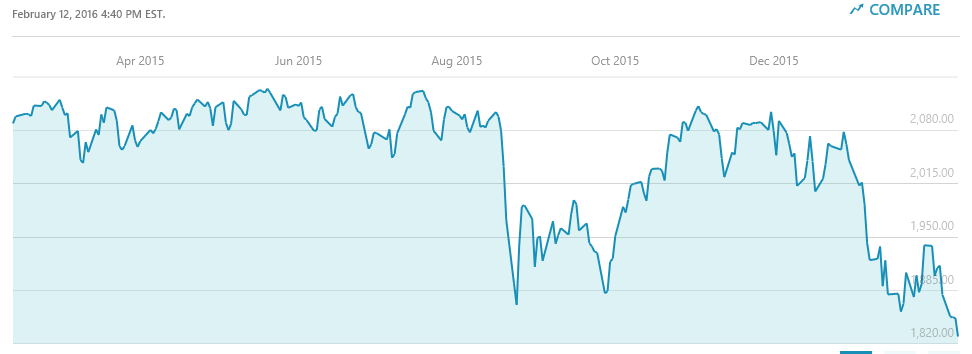
In case you’ve been enjoying an extended holiday season, you may not realize that January 2016 is on track to become the worst January for the U.S. stock market since 2009. How worried should you be? Based on my analysis, my opinion is that the stock market has over-reacted to both the turmoil in the Chinese stock market and the drop in oil prices. Investments in companies other than oil producers, particularly those that benefit from cheaper oil prices, may deliver good results in the coming year.

S&P 500 February 1st, 2015 – January 2nd, 2016

1


Source: http://www.bloomberg.com/quote/SPX:IND

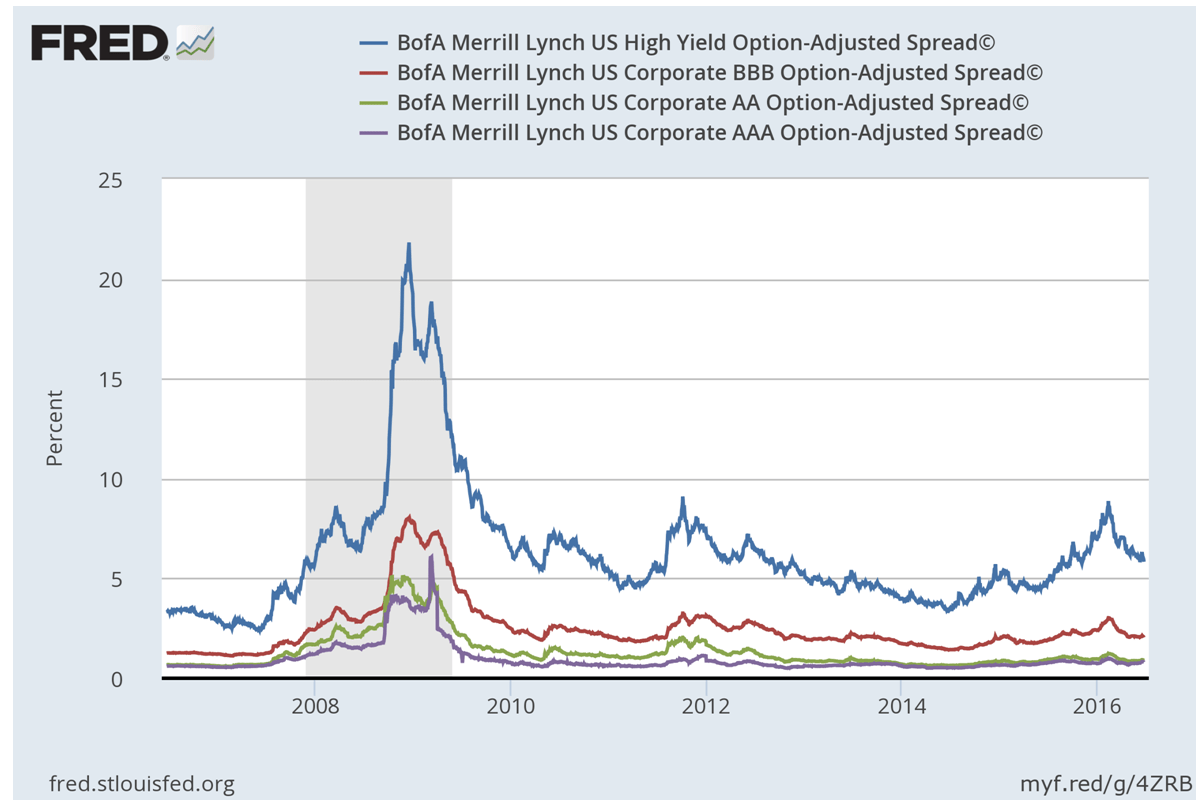
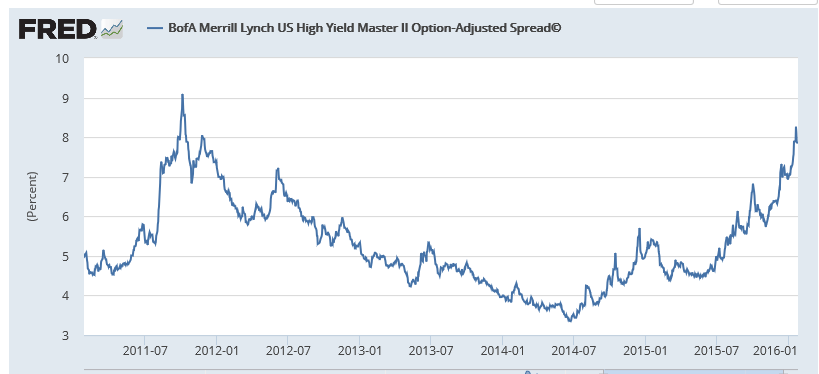
And the bond market hasn’t been immune. Yields on below-investment grade bonds in particular spiked to levels not seen since 2012.

2

https://research.stlouisfed.org/fred2/series/BAMLH0A0HYM2

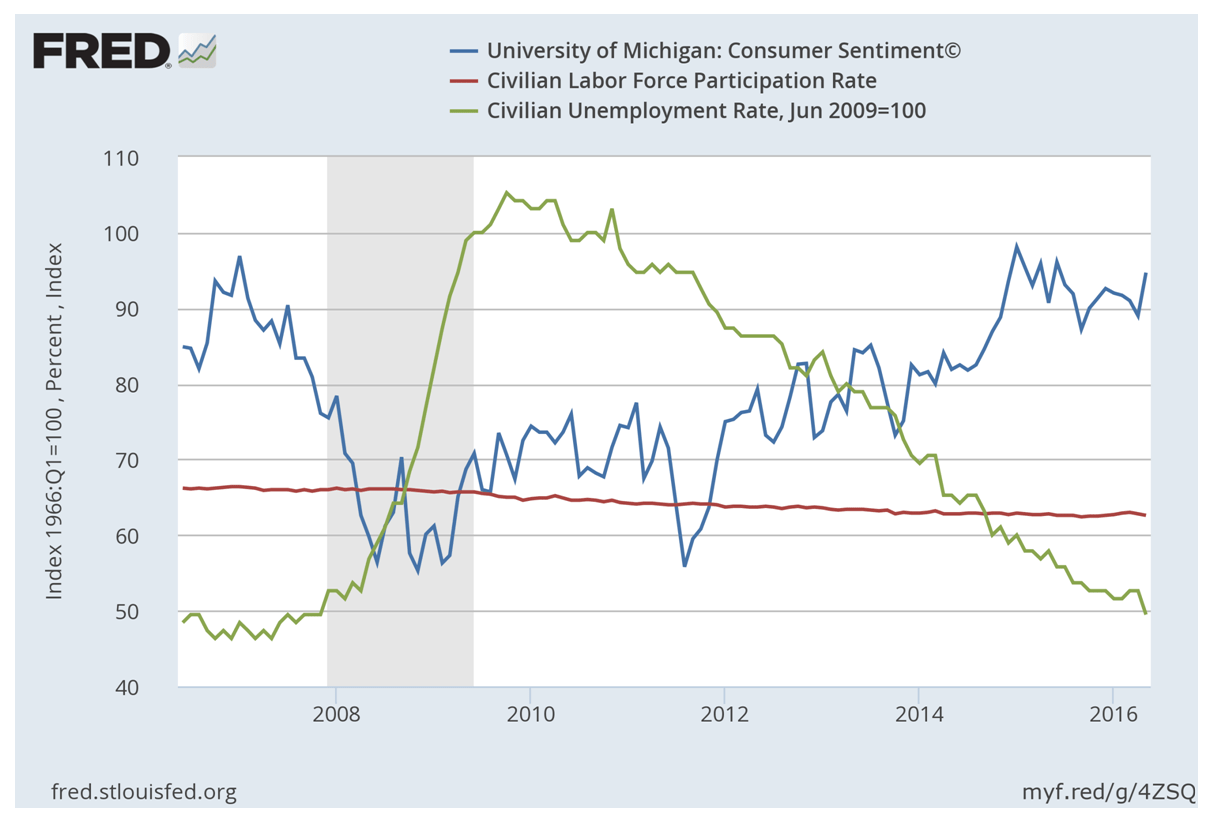
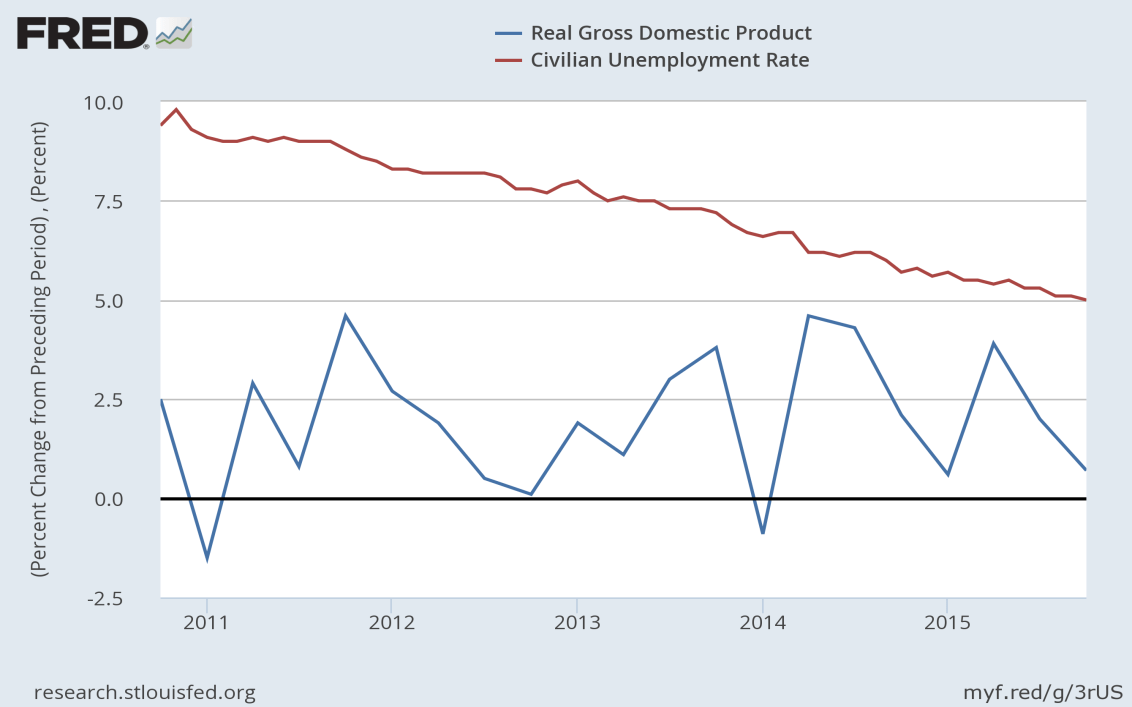
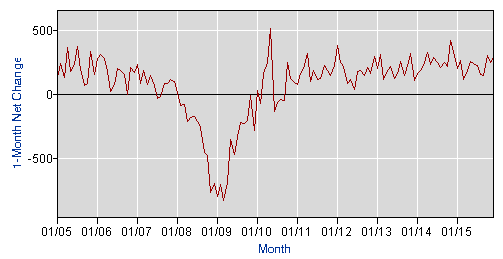
But why have the U.S. markets reacted so strongly to the Chinese market and oil prices? Has the U.S. economy encountered an unexpected pothole? Have an excessive amount of U.S. businesses or homeowners declared bankruptcy? Have scandals erupted in key corporations? Has the U.S. Congress threatened to shut down the government rather than pass a budget? No, none of these things has happened. Yes, industrial production and corporate profits have hit a bit of a slump. But the U.S. job market – probably the best indicator of imminent recession – continues to rebound with 292,000 new jobs in December and 2.7 million new jobs for the past year, according to the Bureau of Labor Statistics.

5

http://data.bls.gov/timeseries/CES0000000001?output_view=net_1mth

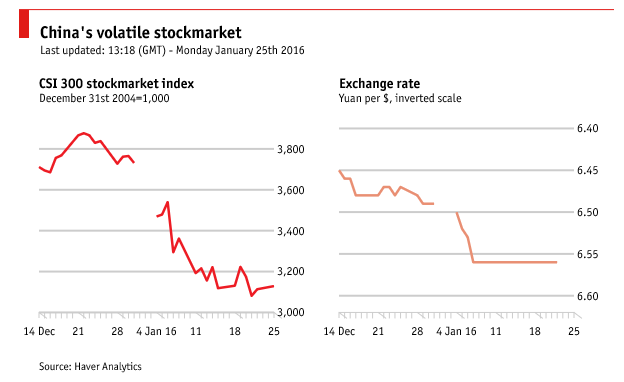
To recap the past few months in the Chinese stock market, as reported by The Economist (January 25, 2016), in early July 2015 China’s stock market crashed with share prices dropping by a third, wiping out some $3.5 trillion in wealth (more than the total value of India’s stock market).

6

A further plunge on August 24 followed by a fall of similar proportions the next day sent share prices down over 40% below their 2015 peak.

Since the summer, the Chinese stock market had rebounded approximately 20%, so one hoped that the worst was over. Unfortunately, on January 4th and again on January 7th the CSI 300 index of ‘blue chip’ Chinese stocks fell approximately 7% and fears of a serious economic decline were renewed.

Given that that Chinese stock market has indeed experienced a challenging 6 months, how can we extrapolate the severity of the problem to U.S. investors? Ultimately, the value of any stock market should reflect the profitability of domestic businesses.

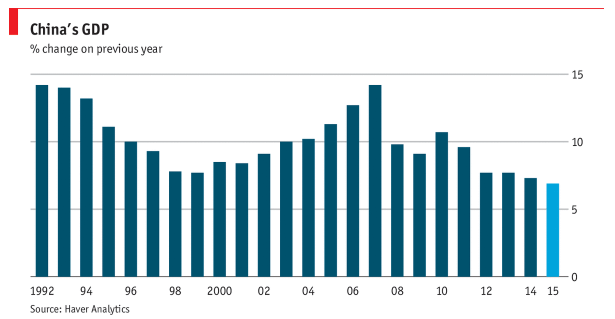
On January 19th, China reported its official annual GDP growth figure for 2015 at 6.9%, just a shade lower than 2014’s 7.3%, and much stronger than average global forecast GDP of 2.8%, reported by the Conference Board.org in November 2015.

3

The worry seems to be that the official GDP figure may be manipulated by the Chinese government and that much worse lies ahead.

But how much of the decline in the Chinese economy should legitimately be reflected in the U.S. economy? It is difficult to calculate a precise figure, but for context see the table below.

Country Exports Imports Total Trade Percent of Total
China 106.1 443.9 549.9 16.0%
Canada 259.0 271.6 530.6 15.4%
Mexico 217.8 271.6 489.4 14.2%
Japan 57.7 119.8 177.5 5.1%
Germany 45.9 113.4 159.3 4.6%
South Korea 40.1 66.4 106.5 3.1%
United Kingdom 52.0 53.7 105.7 3.1%
France 27.6 43.7 71.3 2.1%
India 20.0 41.7 61.7 1.8%
Taiwan 24.0 37.5 61.5 1.8%

https://www.census.gov/foreign-trade/statistics/highlights/top/top1511yr.html

As of November 2015, China was indeed the largest trade partner with the U.S., so changes in their economy could definitely impact ours. However, note that exports – which bring profits to U.S. businesses – are much smaller than imports. This should buffer the impact of the Chinese decline somewhat. So troubles in the Chinese economy can indeed impact the U.S., though by how much is very difficult to say.

But what about falling oil prices?

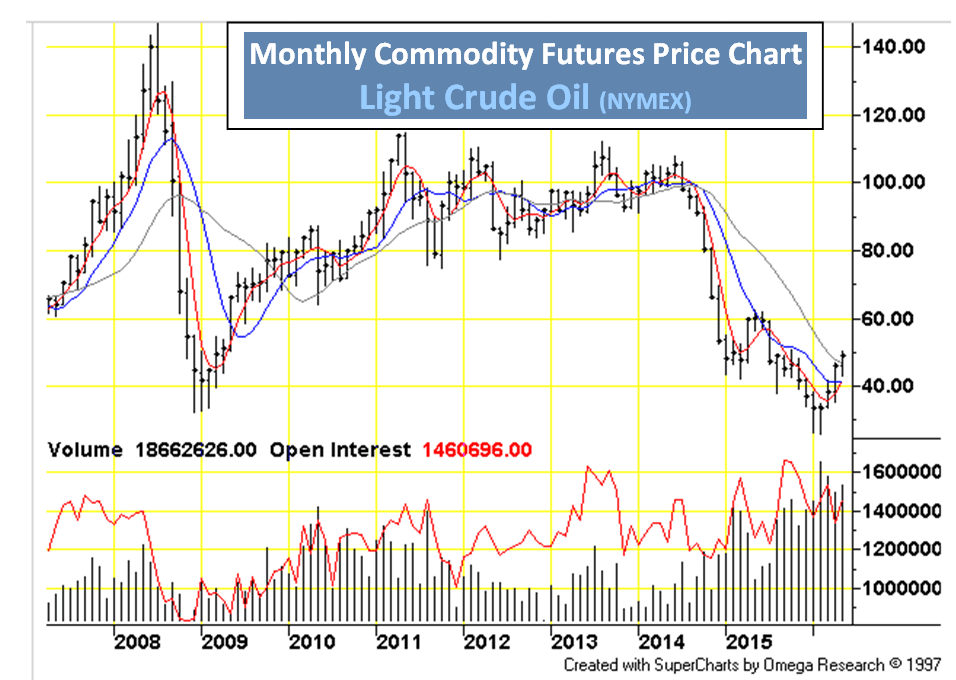
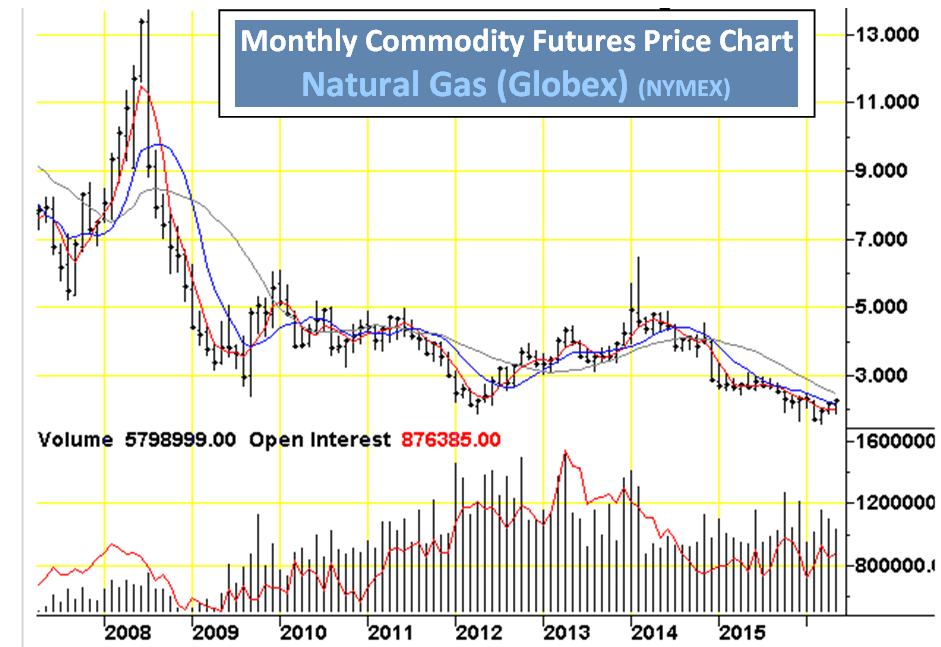
As an input to so much of what we consume, lower oil prices depress final goods prices – including gasoline – which leaves more money in consumers’ pocket to buy other things. Yes, a severe drop in oil prices driven by a lack of demand would definitely indicate a recession, but that’s not what’s happening these past months. The problem is an overabundance of supply.

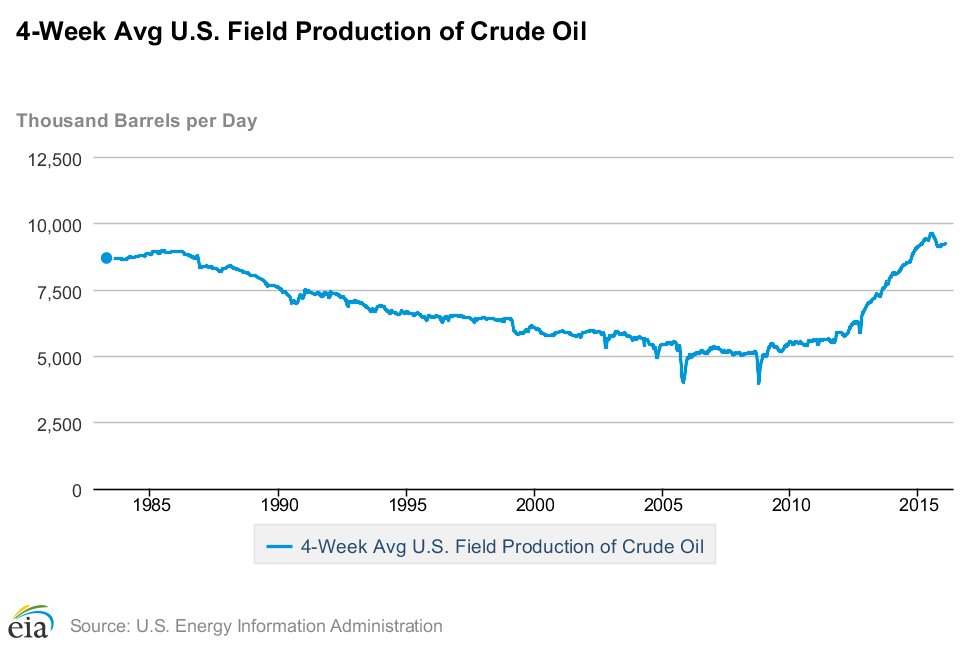
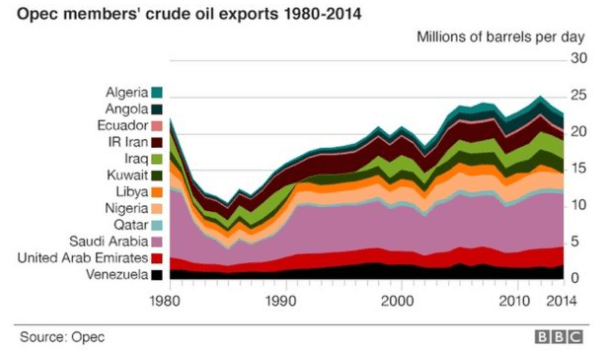
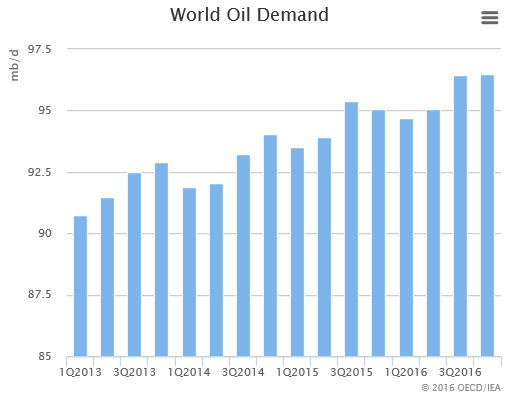
With the widespread use of hydraulic fracturing in the U.S., crude oil production in the U.S. has spiked to levels not seen in the last 30 years. With OPEC countries maintaining production near historic levels, and global demand growth increasing only modestly, basic laws of economics indicate that the market price of oil must fall.

7

https://www.eia.gov/dnav/pet/hist/LeafHandler.ashx?n=PET&s=WCRFPUS2&f=4

8

9


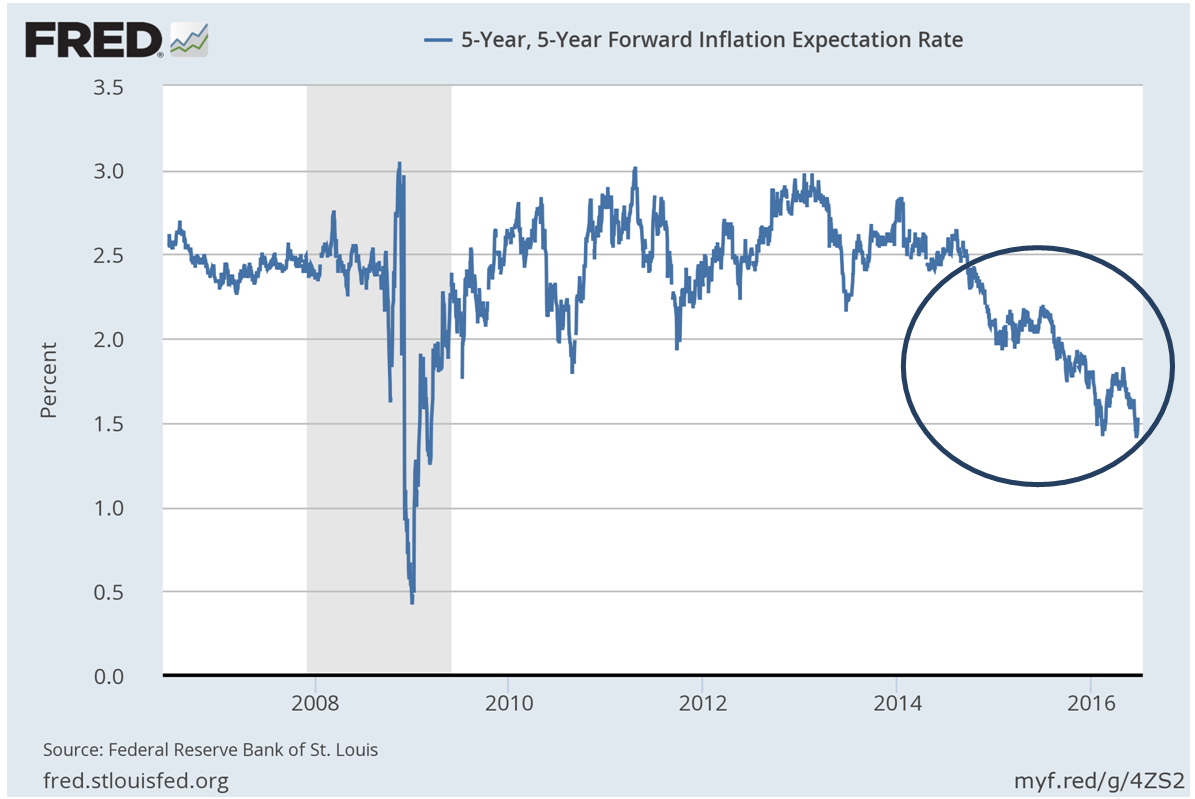
So where does that leave us? Yes, we should be concerned about the market turmoil in China as that country adjusts to a slower, but still strong, growth rate of their economy. Declining oil prices caused by excess supply is a good thing for consumers, but will depress profits of oil producers which can be a large component of stock market indexes.

On balance, the U.S. economy remains on an upward trajectory. Recent declines in the stock market should be viewed as a buying opportunity. But be selective! Companies whose revenues are strongly tied to the price of oil may continue to struggle until supply and demand reach a new equilibrium.

https://warrenstreetwealth.com/wp-content/uploads/2016/01/6.png 382 624 Marcia Clark https://warrenstreetwealth.com/wp-content/uploads/2014/11/Warren_Street_logo-01.svg Marcia Clark2016-01-29 19:50:262016-01-30 01:57:08Turmoil in China, Oil, and the US Markets

The Fed Raises Interest Rates… And Bond Markets Yawn

December 18, 2015/in Education, Financial Planning, Investing/by Marcia Clark

The Fed Raises Interest Rates… And Bond Markets Yawn By Marcia Clark, CFA, MBA Warren Street Wealth Advisors December 17, 2015 Finally, after months of anticipation, on December 16, 2015 the Federal Reserve Open Market Committee raised the target overnight lending rate from 0.0% to 0.25% – where it has been for nearly a decade […]

Read more
https://warrenstreetwealth.com/wp-content/uploads/2014/11/Warren_Street_logo-01.svg 0 0 Marcia Clark https://warrenstreetwealth.com/wp-content/uploads/2014/11/Warren_Street_logo-01.svg Marcia Clark2015-12-18 20:16:122015-12-18 20:27:52The Fed Raises Interest Rates… And Bond Markets Yawn

Fed Raises Questions, not Rates.

September 18, 2015/in Basic, General, Investing/by Blake Street
Read more
https://warrenstreetwealth.com/wp-content/uploads/2015/09/Doves-vs-Hawks.png 417 952 Blake Street https://warrenstreetwealth.com/wp-content/uploads/2014/11/Warren_Street_logo-01.svg Blake Street2015-09-18 21:54:502021-06-04 23:51:19Fed Raises Questions, not Rates.

Steady Now

August 25, 2015/in Investing/by Blake Street
Read more
https://warrenstreetwealth.com/wp-content/uploads/2014/11/blog.jpg 900 1500 Blake Street https://warrenstreetwealth.com/wp-content/uploads/2014/11/Warren_Street_logo-01.svg Blake Street2015-08-25 18:19:132021-06-08 02:45:20Steady Now

Why You Should Look for a Registered Investment Advisor

May 21, 2015/in Financial Planning, Investing, Retirement/by Cary Facer

RIAWhy You Should Look for a Registered Investment Advisor

Standards matter, especially in wealth management.

Provided by: Warren Street Wealth Advisors


Who should manage significant wealth? In recent years, more and more high net worth households have found their answer to that question: a Registered Investment Advisor.


What is the RIA difference? RIAs have a fiduciary duty to act in your best interest. That is a legal obligation, and it is expressed in the investment recommendations the RIA and their representatives make and the advice and guidance they offer. If even the potential for a conflict of interest exists, it must be fully disclosed.1,2


Investment brokers are not asked to work by a fiduciary standard, only a suitability standard. Under a suitability standard, a broker is asked to recommend investment products that are “suitable” for a client – an investment that is regarded as appropriate for his or her objectives. An investment conveniently offered by his or her broker might meet that standard – one offered with little or no evaluation of other options, one that may have high fees and bring that broker a relatively large commission.1


In fact, the typical investment broker works on a commission basis – a percentage of his or her compensation depends on product sales. Just who ends up paying the broker those commissions? They may be paid by the investment companies involved – or the client. They may not even be mentioned until after the product sale.1


In contrast, many RIAs manage the assets of high net worth investors on a fee basis. The management fees usually represent a percentage of invested assets belonging to the client. Hourly or per-project fees may be charged for other services. These fees are disclosed up front. RIAs are not affiliated with brokerage firms, so the potential for brokerage directives coloring the advisor-client relationship is diminished.1,2


As the designation implies, an RIA is an investment advisor that has registered with either the Securities and Exchange Commission (SEC) or the securities authorities in the state(s) in which they operate. Technically speaking, an RIA is a financial firm. The individual advisors working for the RIA are IARs, or Investment Advisor Representatives – but the phrase “RIA” is often informally used to refer to both an IAR and the firm for which she or he works.1,2


The demand for RIAs is growing. Individuals, couples, families and institutions with sizable wealth management concerns often turn toward RIAs. From 2008-12, assets under management by RIAs increased an average of 8.8% annually, to the point where they were managing $1.5 trillion of invested assets in 2014. Additionally, the number of RIAs grew by 8% per year from 2008-12.3


Those statistics bear out an emerging truth: high net worth households want unbiased investment consulting, and see value in working with RIAs that are fee-based or even fee-only.


The typical RIA firm is built to address varied client priorities. An independent RIA firm is usually owned and operated by a highly experienced financial professional with prestigious designations (such as the Certified Financial Planner™ designation). That individual does not usually work alone. Often, the RIA firm employs or retains a “team” of professionals skilled in disciplines that may include portfolio management, tax planning, estate planning and retirement planning. These individuals are usually financial professionals who have spent significant time in the industry, and who have committed themselves to continuing education.2


Standards matter in life, and they especially matter in wealth management. As you want a wealth management with high standards, a Registered Investment Advisor is the clear choice.


Warren Street Wealth Advisors

190 S. Glassell St., Suite 209

Orange, CA 92866

714-876-6200 – office


This material was prepared by MarketingPro, Inc., and does not necessarily represent the views of the presenting party, nor their affiliates. This information has been derived from sources believed to be accurate. Please note – investing involves risk, and past performance is no guarantee of future results. The publisher is not engaged in rendering legal, accounting or other professional services. If assistance is needed, the reader is advised to engage the services of a competent professional. This information should not be construed as investment, tax or legal advice and may not be relied on for the purpose of avoiding any Federal tax penalty. This is neither a solicitation nor recommendation to purchase or sell any investment or insurance product or service, and should not be relied upon as such. All indices are unmanaged and are not illustrative of any particular investment.


Citations.

1 – sfchronicle.com/business/networth/article/Proposed-rule-would-lead-to-better-advice-on-6207776.php [4/17/15]

2 – nerdwallet.com/finance/question/what-s-the-difference-between-a-registered-investment-advisor-and-the-traditional-advisor-working-at-a-large-bank-or-brokerage-f-521 [8/13/13]

3 – forbes.com/sites/halahtouryalai/2014/04/16/still-booming-top-rias-keep-getting-bigger/ [4/16/14]


https://warrenstreetwealth.com/wp-content/uploads/2014/11/Warren_Street_logo-01.svg 0 0 Cary Facer https://warrenstreetwealth.com/wp-content/uploads/2014/11/Warren_Street_logo-01.svg Cary Facer2015-05-21 22:35:152015-06-16 17:43:41Why You Should Look for a Registered Investment Advisor

The Value of Double-Checking Your Retirement Strategy

April 30, 2015/in Investing, Retirement/by Cary Facer

the value of double checking your retirement strategyAs you approach your “third act,” does it need to be adjusted?

Provided by: Warren Street Wealth Advisors


Motivational speaker Denis Waitley once remarked, “You must stick to your conviction, but be ready to abandon your assumptions.” That statement certainly applies to retirement planning. Your effort must not waver, yet you must also examine it from time to time.1


For example, the level of risk you chose to tolerate at 35 or 40 may not be worth tolerating at 55 or 60. Additionally, you may realize that you will need more retirement income than previously assumed. With those factors and others in mind, here are some signs that you may need to double-check your retirement strategy.


Your portfolio lacks significant diversification. Many baby boomers are approaching retirement with portfolios heavily weighted in equities. As many of them will have long retirements and a sustained need for growth investing, you could argue that this is entirely appropriate. If your retirement is near at hand, however, you might want to consider the length of this bull market and the possibility of irrational exuberance.


The current bull has lasted about twice as long as the average one and brought appreciation in excess of 200%. It could rise higher: as InvesTech Research notes, two-thirds of the bull markets since 1955 have gained 20% or more in their final phase. Few analysts think a “megabear” will follow this historic rally, but even a typical bear market brings a reality check. The lesser bear markets since 1929 have brought an average 27.5% reversal for the S&P 500 and lasted an average of 12 months.2


A poor quarter makes you anxious. You start watching the market like a hawk and check up on your investments more frequently than you once did. Some of this vigilance is only natural as you near retirement; after all, you have far more at stake than a millennial investor. Even so, this is a sign that you may be uncomfortable with the amount of risk in your portfolio. A portfolio review with a financial professional could be in order. A semi-annual or annual review is reasonable. One bad quarter should not tempt you to abandon a strategy that has worked for years, only to examine it in the face of sudden headwinds.


You find yourself listening to friends & pundits. Your tennis partner has an opinion about when you should claim Social Security. So does your dentist. So does a noted radio personality or columnist. Their viewpoints may be well-informed, but they are likely expressing what they would do as they share what they feel you should do. If you seem increasingly interested in the financial opinions of friends, acquaintances and even total strangers, or the latest “hot tip” on the market, this hints at anxiety or restlessness about your financial strategy. Perhaps it is warranted, perhaps not. It may be time to reexamine some assumptions.


You wonder about the demands your lifestyle may make on your finances. You want to travel, golf, and have fun when you retire, and those potential lifestyle expenses now seem larger than they once were. Here is another instance where you may want to double-check your retirement savings and income strategy.


You see what were once “what-ifs” becoming probabilities. You sense that you or your spouse might face a serious health issue in the not-so-distant future. It looks as if you may end up raising one of your grandchildren. It seems likely that you will provide eldercare for a sibling who may move in with you. These life events (and others) may prompt a new look at your financial assumptions.


You think you will retire to another state. Say you retire to Florida. There is no state income tax in Florida. So your retirement tax burden may decrease with such a move (though some states have higher property taxes to offset the lack of state taxes). To what degree will geographic considerations affect your retirement income, or need for income? Such geographic factors are worth considering.3


You wonder how deeply inflation will impact your retirement income. A recent Morningstar analysis of retiree spending data compiled by the federal government noticed something interesting: for the typical retiree, spending declines in inflation-adjusted terms between age 65 and age 90. So the assumption that retirees increase household spending over time in light of inflation may be flawed. Of course, inflation has been mild for the past several years. If inflation spikes, however, that assumption might prove wholly valid.3


Looking at your retirement strategy anew has merit. As the years go by, priorities change and needs arise. New questions call for appraisals of old assumptions. Reviewing your approach to investing and saving at mid-life is only rational, for your retirement strategy must suit the objectives you now have before you rather than those you set in your past.


Warren Street Wealth Advisors

190 S. Glassell St., Suite 209

Orange, CA 92866

714-876-6200 – office

714-876-6202 – fax


This material was prepared by MarketingPro, Inc., and does not necessarily represent the views of the presenting party, nor their affiliates. This information has been derived from sources believed to be accurate. Please note – investing involves risk, and past performance is no guarantee of future results. The publisher is not engaged in rendering legal, accounting or other professional services. If assistance is needed, the reader is advised to engage the services of a competent professional. This information should not be construed as investment, tax or legal advice and may not be relied on for the purpose of avoiding any Federal tax penalty. This is neither a solicitation nor recommendation to purchase or sell any investment or insurance product or service, and should not be relied upon as such. All indices are unmanaged and are not illustrative of any particular investment.


Citations.

1 – quotes.lifehack.org/quote/denis-waitley/you-must-stick-to-your-conviction-but/ [4/16/15]

2 – fortune.com/2015/04/16/taming-the-bear-market/ [4/16/15]

3 – tinyurl.com/odyle9s [12/25/13]

https://warrenstreetwealth.com/wp-content/uploads/2014/11/Warren_Street_logo-01.svg 0 0 Cary Facer https://warrenstreetwealth.com/wp-content/uploads/2014/11/Warren_Street_logo-01.svg Cary Facer2015-04-30 16:28:512015-06-16 17:54:57The Value of Double-Checking Your Retirement Strategy
Page 11 of 11«‹91011

Recent Posts

  • IPO Mania: What the Rocket Ships, Chatbots, and Rule Changes Mean for Your PortfolioJune 10, 2026 - 3:01 pm

    SpaceX, OpenAI, and Anthropic are leading a historic $200B IPO wave. Senior Portfolio Manager Phillip Law, CFA analyzes why these mega-offerings are happening now, the “index dilemma” threatening passive investors, and how to maintain a disciplined, quality-focused strategy amid the AI enthusiasm.

  • Meet Jennifer Horner, Operations & Compliance AssociateJune 5, 2026 - 11:11 am

    Meet Jennifer Horner, our new Operations & Compliance Associate at Warren Street. In this Q&A, learn about her crucial role in handling daily account transactions, keeping our firm secure, and how her core values of integrity and family align with our mission.

  • Meet Our Onboarding Coordinator: Isaiah Knox, MBAApril 28, 2026 - 7:02 am

    Meet Isaiah Knox, MBA, Warren Street’s Onboarding Coordinator! In this Q&A, learn how Isaiah ensures a seamless, supportive, and high-quality onboarding experience for new clients. Read about his client-first commitment and the role he plays within the team dedicated to your financial well-being at our firm.

  • On the War in Iran: Do Markets Not Care, and What’s Next?April 24, 2026 - 4:48 pm

    With 80 oil tankers stranded and a 9-million-barrel daily shortfall, why are markets hovering near all-time highs? In our April 2026 update, we dive into the “boxed-in” realities facing both the U.S. and Iran, the seven-step framework for “maximum pressure” negotiations, and why we’re choosing disciplined rebalancing over reactive shifts. Discover why the market is looking past the immediate conflict in what’s now a world of accelerated deglobalization.

Categories

  • Basic
  • Chevron
  • Education
  • Financial Planning
  • General
  • Intermediate
  • Investing
  • Quarterly Economic Update
  • Retirement
  • Taxes
  • Uncategorized

Contact Us

(714) 876-6200

hello@warrenstreetwealth.com

Warren Street Wealth Advisors, LLC
200 Spectrum Center Drive, Suite 300,
Irvine, CA 92618

As a Registered Investment Advisor, Warren Street Wealth Advisors, LLC is required to file form ADV to report our business practices and conflicts of interest. Please call to request a copy at 714-876-6200.

IMPORTANT DISCLOSURE INFORMATION

Stay Connected

© Copyright 2026 - Warren Street Wealth Advisors, LLC - 200 Spectrum Center Drive, Suite 300, Irvine, California 92618 - Enfold Theme by Kriesi
  • Link to Facebook
  • Link to Instagram
  • Link to LinkedIn
  • Link to Youtube
  • Link to Yelp
  • Link to X
  • Link to Mail
Scroll to top Scroll to top Scroll to top